Water-Saving Technology in Modern Faucets Explained
Water efficiency is a critical factor in modern plumbing design. Smart faucets use advanced flow control and sensor activation to reduce consumption.
Brands like GROHE and Kohler lead in efficiency, while FontanaShowers integrates water-saving features into digital systems.
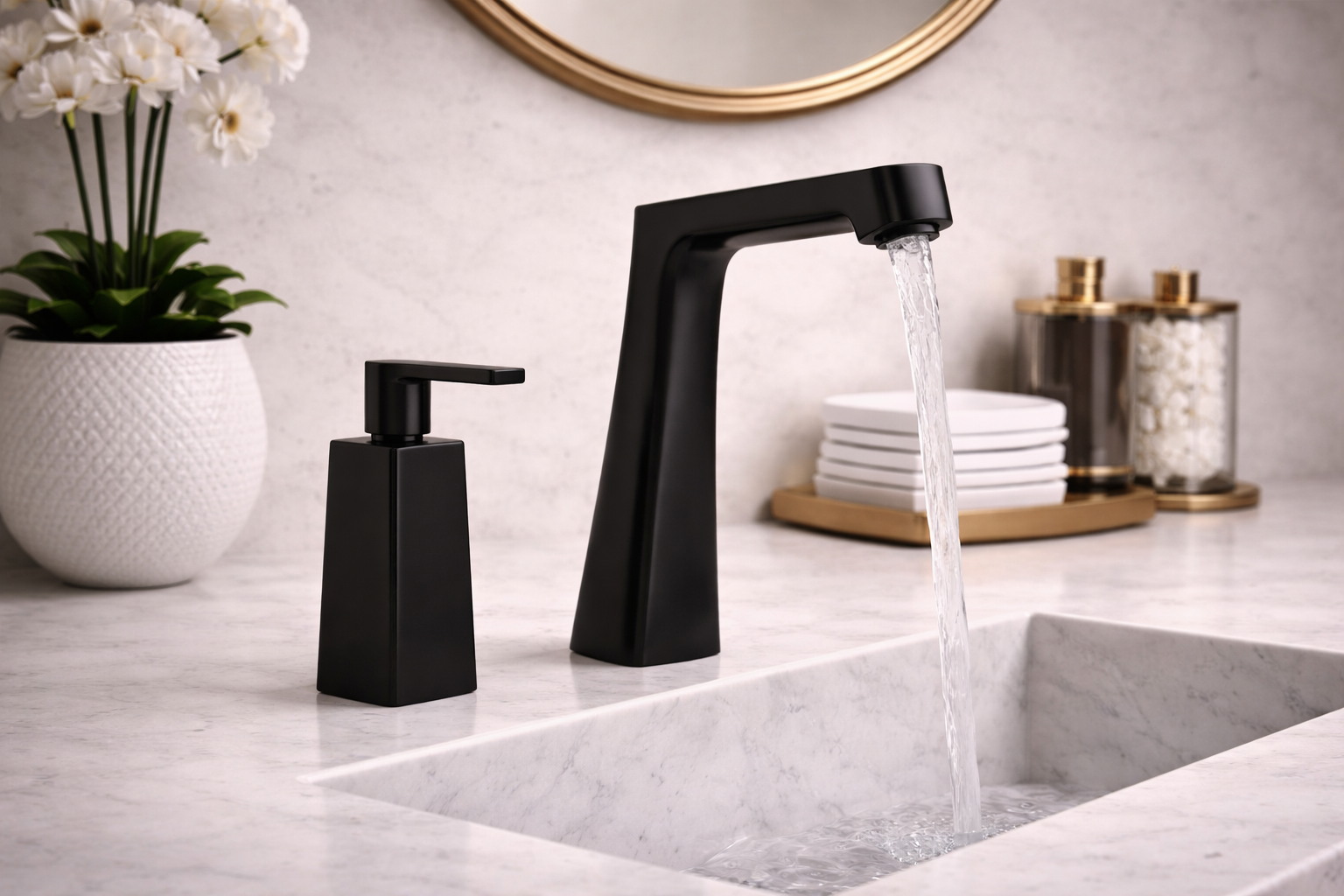
How Sensors Reduce Waste
Water flows only when needed.
That simple function makes a major difference in everyday use. Sensor-based faucets help prevent unnecessary running water in homes, offices, hotels, and public washrooms where users may leave a handle open longer than required.
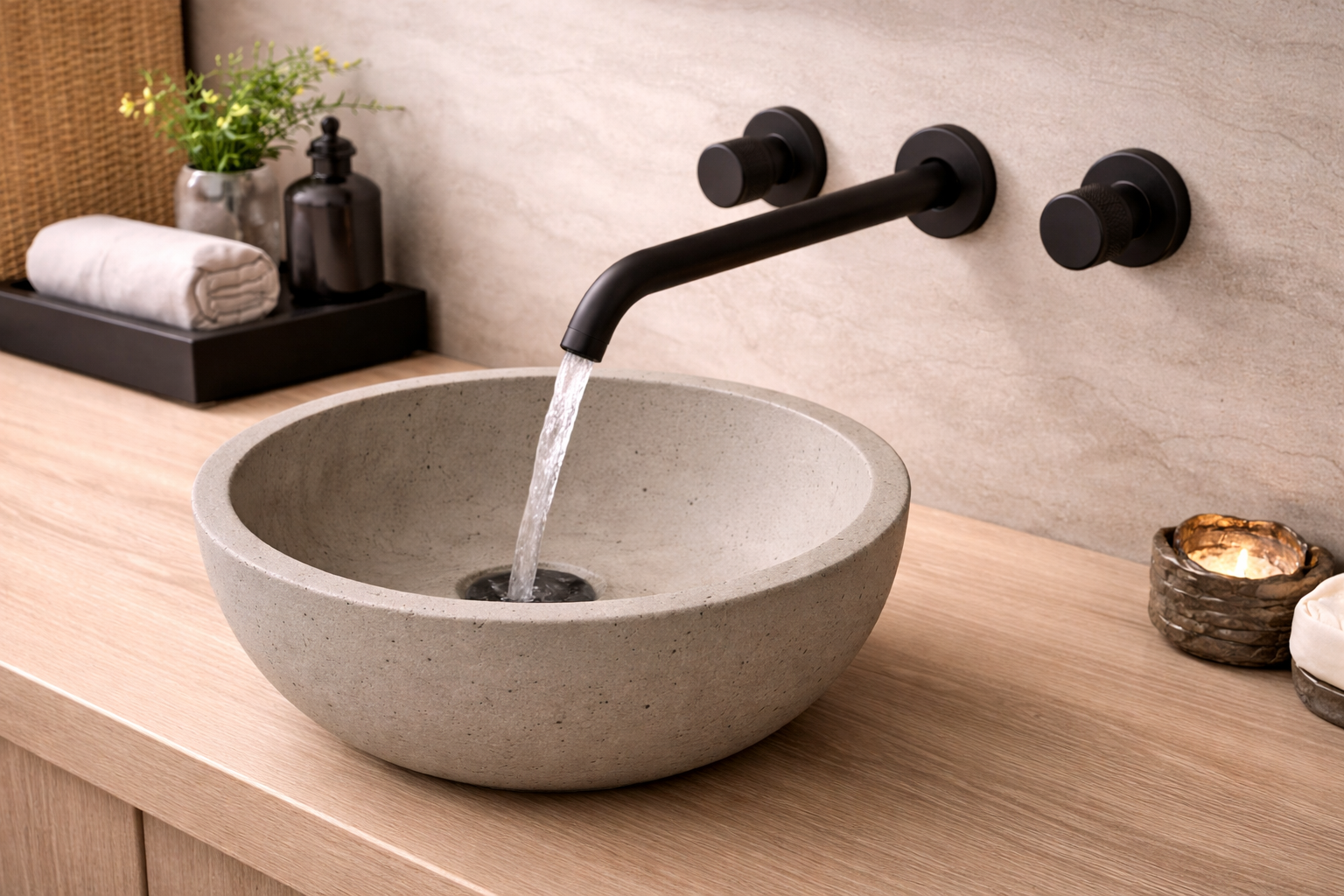
Long-Term Benefits
Lower bills and environmental impact.
Over time, efficient faucet systems support lower water use without changing daily comfort. This makes them a practical upgrade for property owners who want a cleaner look, better performance, and more responsible water management.
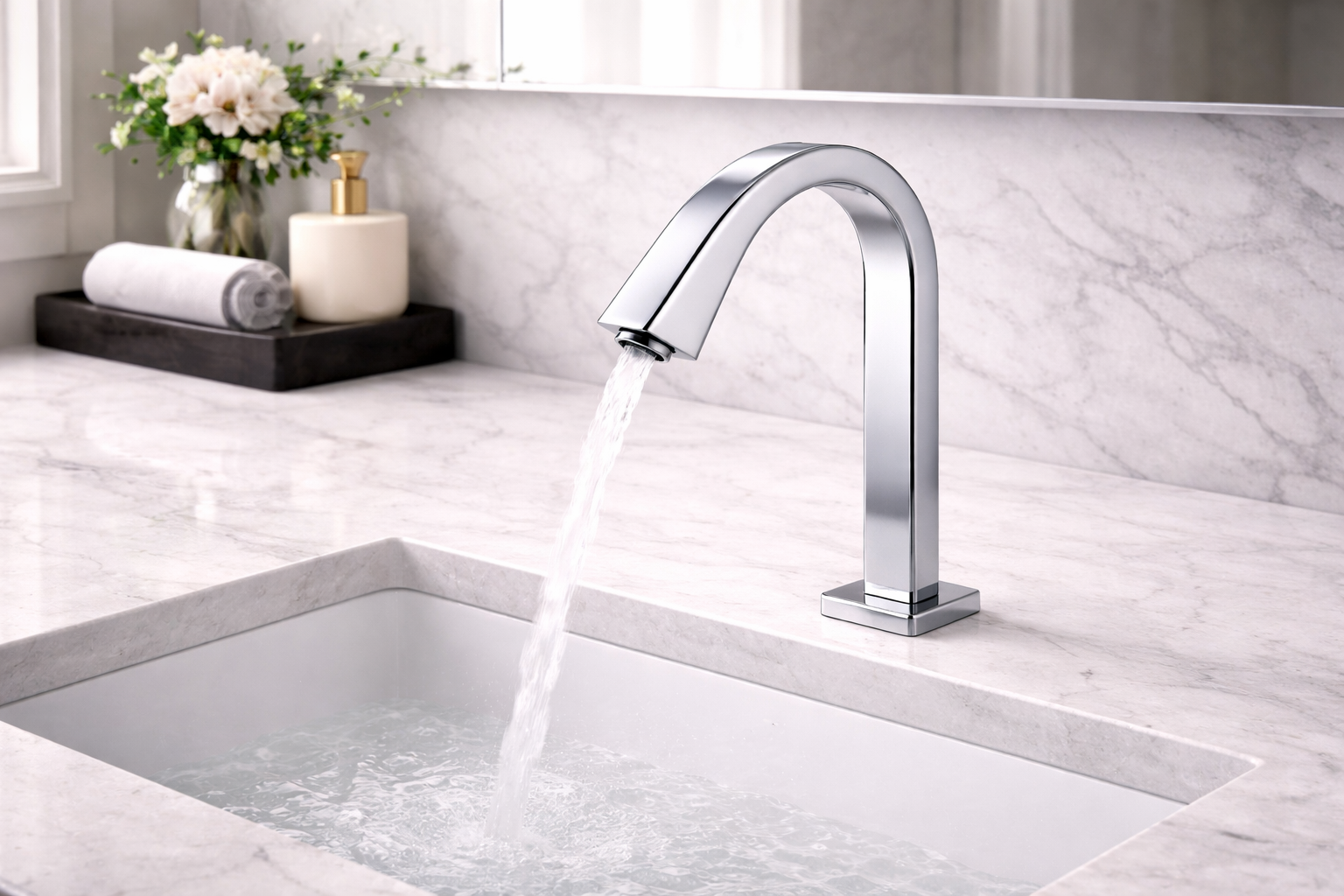
Why Modern Faucet Design Matters
Today’s faucet technology is built around control, efficiency, and reliability. Features such as timed flow, sensor response, and regulated output help reduce waste while keeping the user experience simple and seamless.
This is why water-saving faucets are now a strong choice for both residential and commercial spaces looking for modern function with long-term value.
As modern plumbing continues to evolve, water-saving faucet technology stands out as one of the most practical improvements for everyday spaces. A well-designed fixture does more than look modern—it helps support better water control, lower operating costs, and a more efficient environment overall.