
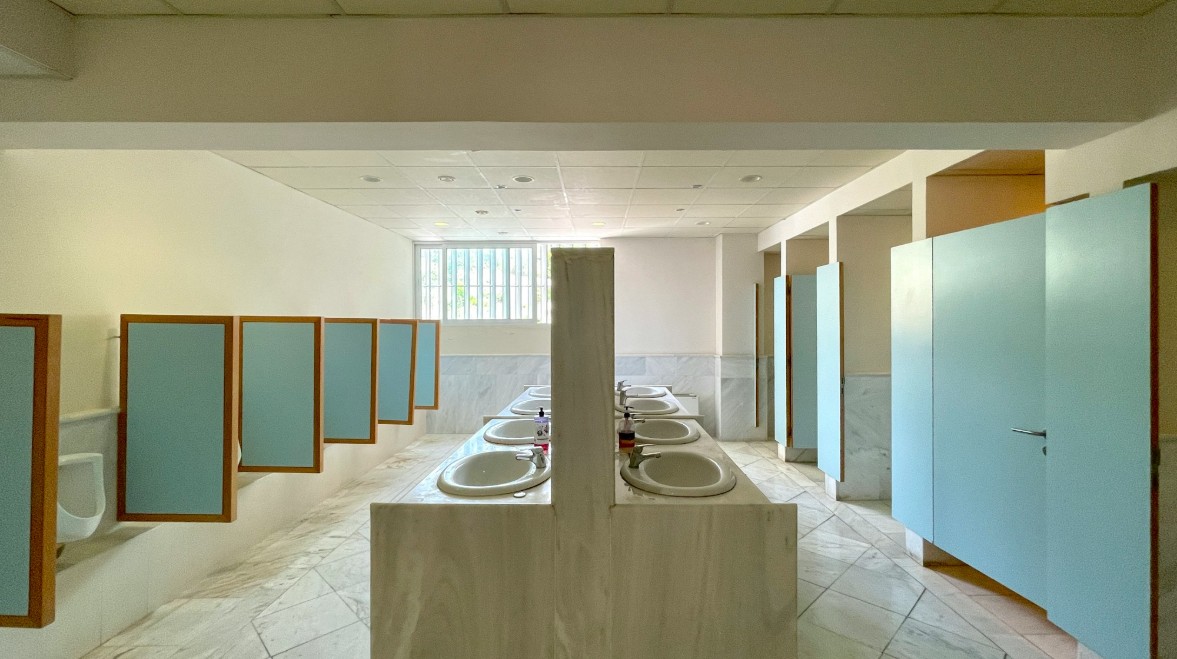
Next‑Gen Commercial Restroom Systems
A design & engineering perspective on scaling touchless faucets and automatic soap dispensers for mega‑facilities, airports, transit hubs, and large campuses.
Hardware Hardening for Touchless Faucets
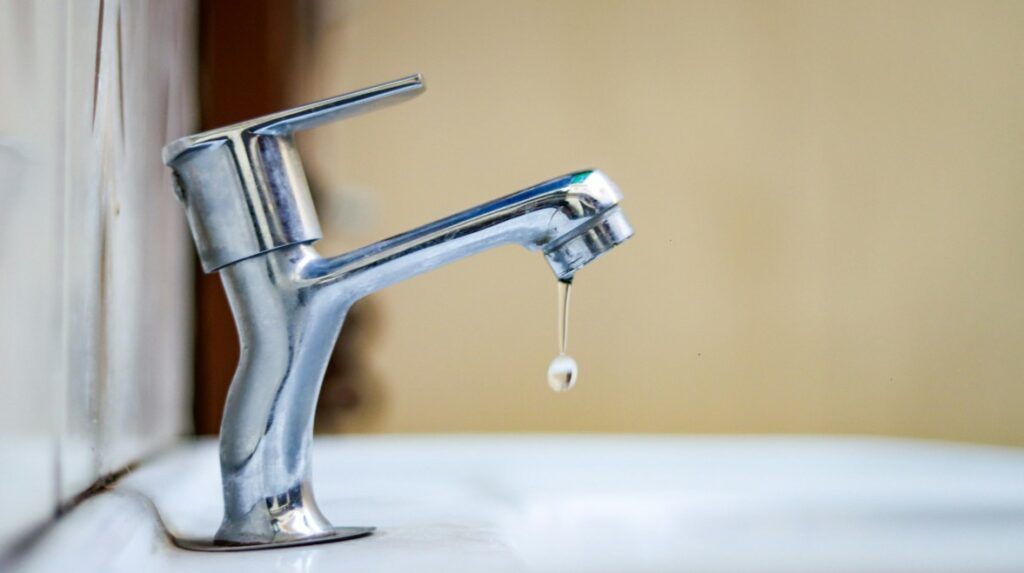
Touchless faucets in mega-scale deployments demand vandal resistance, mineral buildup tolerance, and IP-rated electronics to withstand decades of high traffic.
Specifiers are increasingly demanding brass and/or stainless steel housings, removable cartridges, sealed electronics, and modular sensors. Hardened hardware lowers total cost of ownership by reducing service interruptions.
Engineering Soap Dispensing Systems
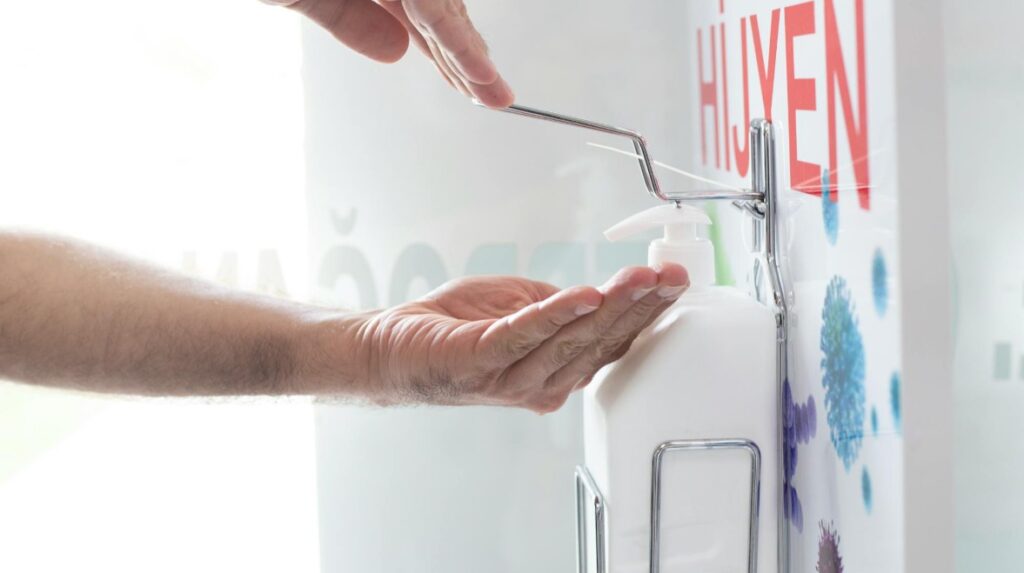
In heavy-traffic facilities, soap delivery systems must scale. Multi-feed reservoirs, foam cartridges that stretch consumables, and clear refill sightlines are now baseline. Architects specify refill strategies as part of operational models, not just fixture design.
Smart Controls, Telemetry & BMS Integration
Contemporary toilets continue to be increasingly integrated into Building Management Systems (BMS). Sensor telemetry enables the tracking of usage, fill level, battery condition, and any anomalies. This is made possible by secure APIs as well as network interfaces.
Ensuring Hygiene, Safety & Compliance
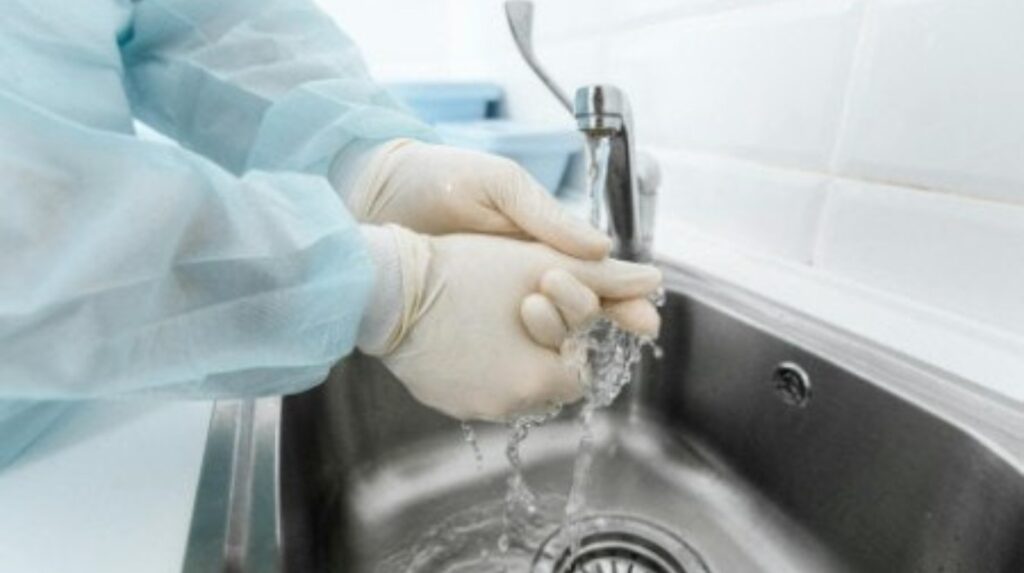
ADA accessibility, water efficiency programs, and healthcare specifications shape the fixture selection process. Automated systems must support touchless operation, quick response times, thermal protection (anti-scald), and surfaces that resist microbial buildup.
Sustainable Water & Soap Management

Meeting LEED and WELL goals means reducing water flow, improving soap efficiency, and adopting refill strategies that minimize packaging waste. Some brands are also designing energy-harvesting electronics to reduce battery replacement cycles.
Designing Large-Campus Installations
Hydraulic systems, electrical routing, mounting tolerance, and drainage coordination grow from a small installation to the university setting and the airport/office park. BIM/Revit processes allow coordinating electrical installation with architectural design.
Maintenance Models & SLAs
But for large-scale restroom installations, the need for Service-Level Agreements (SLAs) arises. Vendors today also offer tools for predictive maintenance scheduling, fast shipping of spare parts, as well as training courses for staff for mission-critical facilities.
Securing Connected Restroom Devices
IoT-enabled faucets and dispensers must provide privacy features to preclude intrusion on the building network. This is common practice when implementing connected restroom devices for IT professionals to ensure secure firmware, encryption, and network segmentation.
Product Line Strategy
- Pro: Durable core line for schools, malls, and government buildings.
- Smart: Telemetry, BMS connectivity, predictive maintenance support.
- Healthcare: Antimicrobial materials and strict hygiene compliance features.
- Multifeed: Central soap reservoirs feeding multiple dispensers to minimize labor.
Airport & Transit Restroom Design
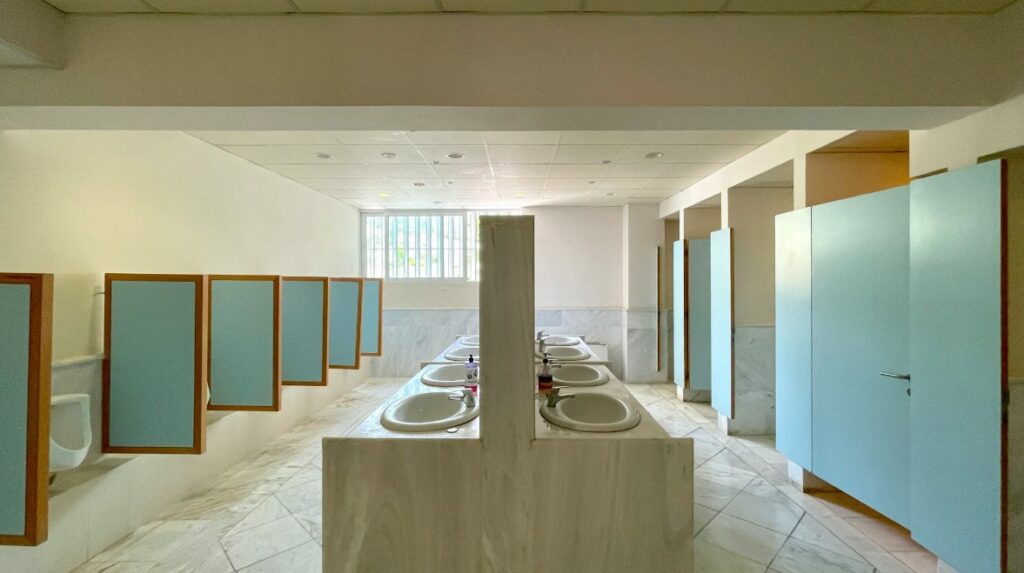
Throughput is paramount.Sink-to-user ratios, sensor activation times, and multi-user wash stations are frequently modeled to minimize bottlenecks. Specifications shall consider queue behavior, visibility, and durability under constant traffic.
Rolling Out at Scale
Pilot programs verify sensor response, soap dispenser refilling, telemetering, and the effect of maintenance. Phased implementation rollout involves partnerships in training, logistics, and warranty expansion for hundreds or thousands of light fixtures.
Spec Checklist for RFPs
- Sensor activation range and response time
- Flow rate (GPM / LPM) and soap output (ml per dispense)
- Body material, finish durability, and anti-vandal features
- Power options: battery, hardwired, or energy-harvesting
- Compliance requirements: ADA, WaterSense, LEED, WELL, NSF
- Telemetry or BMS integration requirements (for Smart lines)
- Maintenance workflow and SLA expectations