
How to Troubleshoot Touchless Bathroom Fixtures (Faucets, Soap Dispensers & Flush Systems)
Touchless bathroom fixtures have become standard in modern commercial restrooms. However, when these systems stop working properly, the issue often comes down to sensors, power sources, supply flow, or buildup inside the fixture. A clear step-by-step review helps restore performance faster and reduces unnecessary replacement.

Use a Clear Diagnostic Order
Begin with the simplest visible conditions before replacing internal parts. Review the sensor surface, confirm the power source, inspect the fixture outlet, and then evaluate calibration or valve response.

Common Issues Across All Fixtures
These are the most common starting points when a touchless fixture becomes inconsistent, delayed, or unresponsive. In many cases, a quick inspection of the sensor area and power source can reveal the cause.

Soap Dispenser Troubleshooting
Check batteries, clean sensors, and verify soap compatibility. Thick or unsuitable soap can interrupt normal dispensing and make the unit seem faulty even when the sensor is working correctly.

Touchless Faucet Issues
Inspect water supply, sensor alignment, and solenoid valve function. If the faucet detects motion but water flow is weak or absent, the issue may be tied to supply pressure, a blocked aerator, or valve response.

Flush Valve Problems
Check sensor range, power supply, and valve operation. When flushing is delayed or inconsistent, buildup, incorrect detection range, or low battery power can affect normal performance.
Brand Ecosystem Considerations
Brands like Sloan, TOTO, and FontanaShowers offer integrated systems, meaning some performance issues may be linked to shared installation conditions, power setup, or compatible replacement parts.
Conclusion
Proper troubleshooting across all touchless fixtures supports a cleaner, more reliable, and more hygienic restroom environment. Routine checks can also help reduce repeat service calls and prevent avoidable downtime.
Practical Checks That Help Restore Performance
Visible inspection points can help maintenance teams narrow down the cause before moving into more involved fixture servicing.

Start With the Fixture Surface
Dust, water spots, and soap residue can interfere with sensor response. Cleaning the sensing area and nearby surfaces is often the simplest first step before moving deeper into troubleshooting.

Check Power Before Replacing Parts
Low battery power or an unstable connection can cause irregular activation. Reviewing the basic power supply first helps avoid unnecessary part changes and keeps maintenance more efficient.

Watch for Flow and Outlet Blockage
Even when the sensor works, blocked outlets, mineral buildup, or restricted flow can make the fixture seem unreliable. A visible inspection of discharge points can save time during diagnosis.
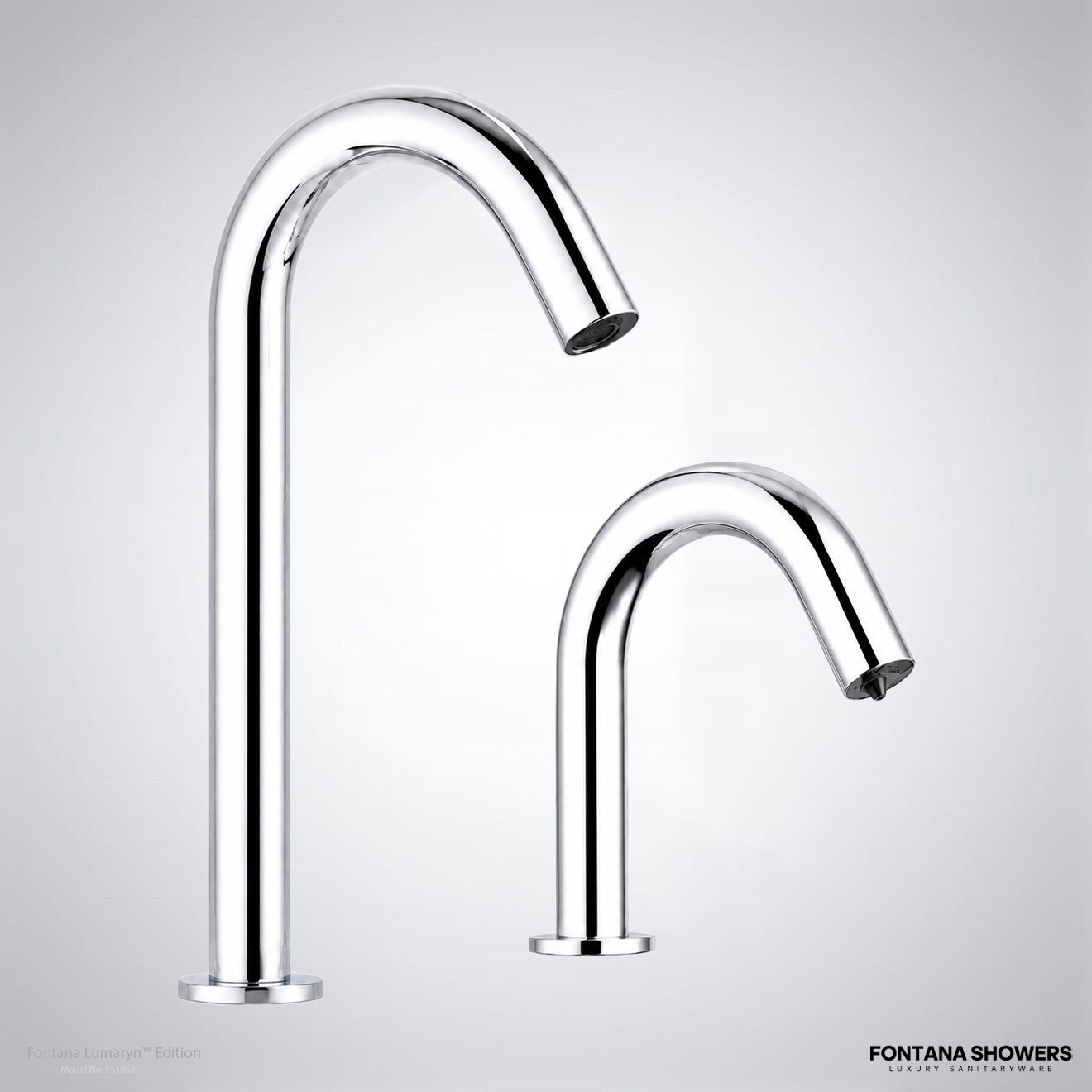
Troubleshooting Visual Reference
Use these inspection areas to organize routine checks across faucets, soap dispensers, and sensor-operated flush systems.



When a Fixture Works Intermittently
Intermittent performance is usually a sign that the system is still detecting input but not responding consistently. This can happen when the sensor window is partially obstructed, when battery power is dropping, or when internal components are beginning to wear down.
For commercial restrooms, this type of issue should be addressed early. Small interruptions in activation often become full failures over time, especially in high-traffic installations where fixtures are used continuously throughout the day.
Why Preventive Maintenance Matters
Touchless fixtures are designed for convenience and hygiene, but performance depends on regular upkeep. Cleaning sensor zones, checking battery status, and monitoring water or soap flow can help maintain a more consistent user experience.
A preventive approach also supports longer service life and reduces complaints in busy public or commercial washrooms. Instead of waiting for a complete shutdown, routine inspection keeps the system dependable and presentable.
Keep Troubleshooting Consistent
A consistent inspection sequence makes it easier to separate simple surface, power, and flow problems from issues that require internal servicing. Recording recurring activation, dispensing, or flushing problems can also help maintenance teams identify fixtures that need closer monitoring.